
Kratom has become increasingly popular in recent years, often marketed as a “natural” or “safe” alternative for pain, anxiety, or opioid withdrawal. But despite its herbal origins, kratom can be addictive—and stopping suddenly can lead to difficult withdrawal symptoms that look very similar to opioid withdrawal.
At Cedar Recovery, our mission is to meet people exactly where they are. That includes providing clear information about substances like kratom and offering safe, evidence-based treatment when dependence develops.
What Is Kratom?
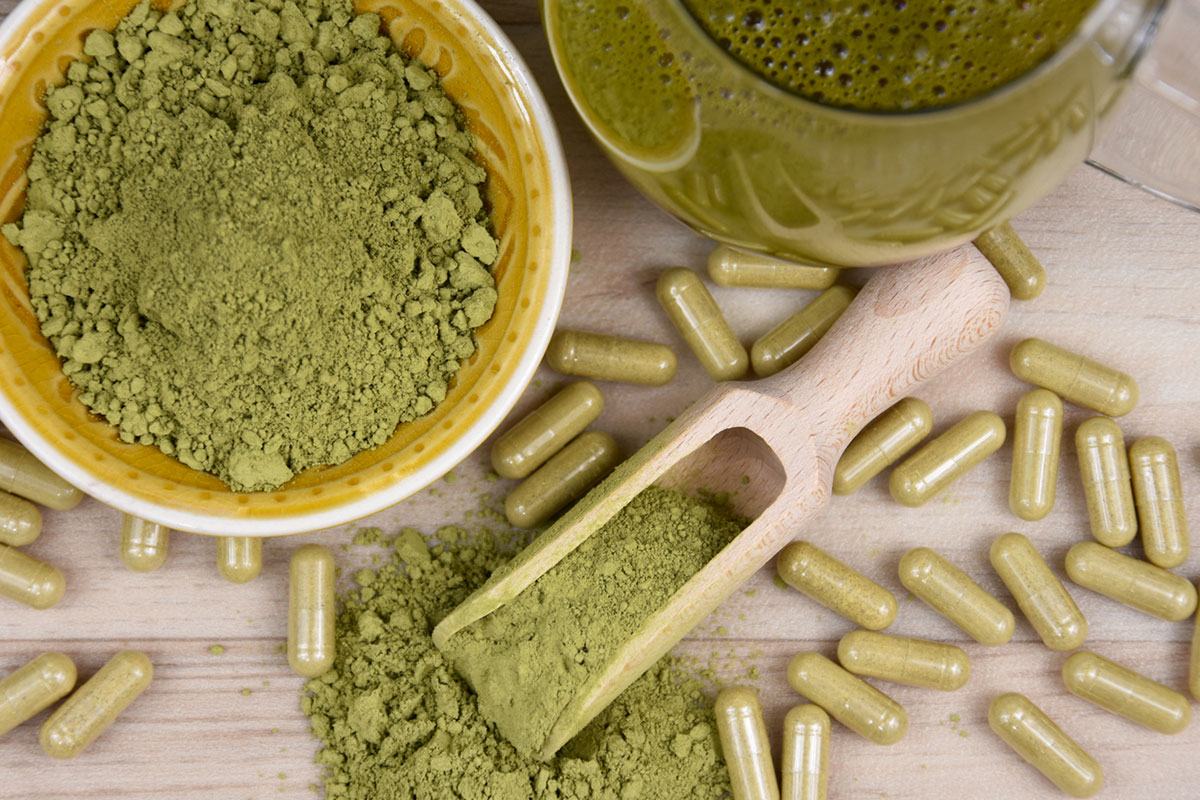
Kratom is a plant native to Southeast Asia. Its leaves contain compounds—most commonly mitragynine and 7-hydroxymitragynine—that interact with the brain’s opioid receptors.
This means kratom can produce effects similar to opioids, such as:
– Pain relief
– Increased energy or alertness (at low doses)
– Sedation or euphoria (at higher doses)
Because kratom isn’t FDA-regulated and products vary widely, dosing is unpredictable—and so are its effects.
Is Kratom Addictive?
Yes. Research shows that regular kratom use can lead to tolerance, dependence, and withdrawal, especially with daily use or high doses. Many people begin using kratom to cope with anxiety, chronic pain, or opioid withdrawal, but over time find themselves needing more to feel “normal.”
Signs of Kratom Addiction
– Needing increasing amounts to get the same effects
– Cravings or urges to use
– Irritability, anxiety, or restlessness between doses
– Using more often than planned
– Spending significant time obtaining or using kratom
– Continued use despite consequences
Kratom Withdrawal Symptoms
Kratom withdrawal can be uncomfortable and, for some, severe. Symptoms may include:
– Muscle aches
– Nausea
– Sweating or chills
– Anxiety or panic
– Insomnia
– Irritability or agitation
– Runny nose
– Cramping
– Intense cravings
Is Kratom Dangerous?
Although often viewed as “natural,” kratom can cause serious health risks:
– Liver damage
– High blood pressure
– Seizures in rare cases
– Increased overdose risk when mixed with other substances
– Unregulated products contaminated with opioids or fentanyl
Because kratom affects the same receptors as opioids, it carries many of the same risks—especially with long-term use. The DEA has listed kratom as a Drug and Chemical of Concern.

How Kratom Addiction Is Treated
There is no FDA-approved medication specifically for kratom addiction, but evidence-based treatment approaches used for opioid addiction are often effective.
1. Medication-Assisted Treatment (MAT)
Many people struggling with kratom dependence benefit from Suboxone (buprenorphine-naloxone). MAT can help:
– Reduce cravings
– Ease withdrawal
– Stabilize brain chemistry
– Lower relapse risk
Cedar Recovery’s addiction treatment centers offer a safe, judgment-free MAT program, led by our Chief Medical Officer, Dr. Stephen Loyd.
2. Peer Support & Counseling
Healing isn’t just about stopping kratom—it’s about understanding why someone was using it in the first place. Cedar Recovery provides licensed counseling, trauma-informed care, mental health skill-building, and compassionate peer support.
3. Long-Term Recovery Support
Escaping dependence is only the beginning. Long-term support helps people build stronger routines, improve mental health, reduce triggers, and stay stable in recovery. Cedar Recovery provides support with housing, food, clothing, and access to additional care, making it easier for individuals to navigate their recovery. The team serves as a dedicated partner, committed to helping each person reach their life goals and stay on track in their recovery journey.
When to Seek Help for Kratom Addiction
If you or someone you care about is relying on kratom every day, struggling to stop, or experiencing withdrawal symptoms, support is available. You are not alone—and you don’t have to try to quit alone.
Kratom Addiction Treatment Available at Cedar Recovery
If you’re struggling with kratom use or withdrawal, Cedar Recovery is here to help. Our compassionate, patient-centered team offers evidence-based treatment, flexible scheduling, online options if you don’t live near one of our locations, and direct-to-home medication shipping.
You deserve to feel better, get better, and stay better. Reach out today or call us at 1-(800) 799-1450 to get started.
References
Centers for Disease Control and Prevention. (2023). Kratom: What you should know. https://www.cdc.gov
National Institute on Drug Abuse. (2023). Kratom drug facts. https://nida.nih.gov
U.S. Food & Drug Administration. (2022). FDA and kratom. https://www.fda.gov
Swogger, M. T., & Walsh, Z. (2018). Kratom use and mental health: A systematic review. Drug and Alcohol Dependence, 183, 134–140.
Cinosi, E., Martinotti, G., Simonato, P., et al. (2015). Following “the roots” of kratom. BioMed Research International.