
How the Rise of Fentanyl Has Changed Addiction Treatment
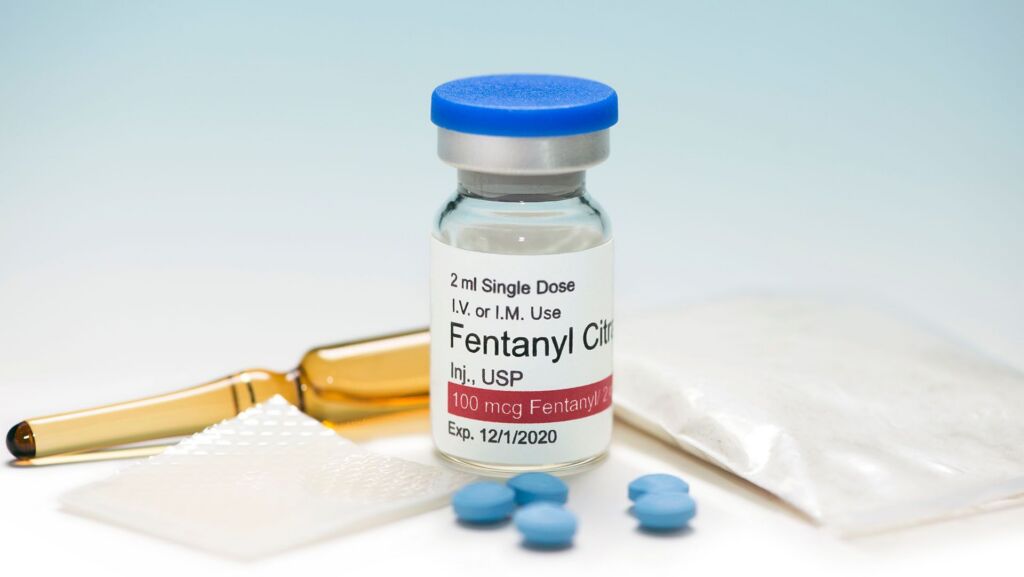
The opioid crisis has evolved, and fentanyl has become the leading driver of overdose deaths across the United States. According to the Centers for Disease Control and Prevention (CDC), synthetic opioids like fentanyl are involved in the majority of opioid-related fatalities.

Fentanyl is significantly more potent than heroin or prescription opioids. It binds tightly to opioid receptors and can remain in the body longer than expected. Because of this, individuals often experience more intense withdrawal symptoms and greater difficulty stabilizing in treatment.
As fentanyl has become more common, addiction treatment has had to adapt. Medications that worked well in the past do not always perform the same way today. This shift has made it even more important to match each person with the right form of medical addiction treatment.
Why Fentanyl Makes Treatment More Complex
Fentanyl affects the body differently than other opioids, which directly impacts how treatment medications work.
- Higher opioid tolerance, requiring stronger stabilization support
- Longer and unpredictable withdrawal timelines
- Increased risk of precipitated withdrawal when starting certain medications
- Greater risk of relapse without consistent stabilization
Methadone vs. Suboxone in Fentanyl Addiction Treatment
Both methadone and buprenorphine (Suboxone) are FDA-approved medications used in medication-assisted treatment (MAT). However, they work differently.
Methadone (Full Opioid Agonist):
- Fully activates opioid receptors
- Reduces withdrawal symptoms and cravings more completely
- Does not cause precipitated withdrawal
- Often leads to higher treatment retention rates
Buprenorphine / Suboxone (Partial Opioid Agonist):
- Partially activates opioid receptors
- Has a ceiling effect, which can limit its strength
- Can cause precipitated withdrawal if started too soon after fentanyl use
- Still highly effective for many individuals, especially with proper timing and support
Why Methadone Often Works Better for Fentanyl Dependence
For individuals with high fentanyl exposure, methadone can offer a more stable and effective path forward.
- Provides stronger receptor stabilization, helping manage high tolerance
- Reduces cravings more consistently, lowering the risk of relapse
- Avoids precipitated withdrawal, a major barrier to starting treatment
- Improves treatment retention, one of the strongest predictors of long-term recovery
Research supported by the National Institutes of Health (NIH) and Substance Abuse and Mental Health Services Administration (SAMHSA) shows that longer retention in treatment is associated with significantly better outcomes, including reduced overdose risk.
Addressing Common Misconceptions About Methadone Treatment
Methadone is a medically supervised treatment that stabilizes brain chemistry, reduces cravings, and allows individuals to function and rebuild their lives.
When prescribed and monitored by a qualified medical team, methadone is safe and highly effective. Treatment length varies depending on individual needs.
What to Expect from Methadone Treatment at Cedar Recovery
At Cedar Recovery, methadone treatment is designed to support the whole person, not just the addiction.
- Daily medical dosing with gradual stabilization
- Ongoing support from addiction treatment specialists
- Access to peer recovery support from individuals who understand the journey
- Case management to help with transportation, housing, and essential resources
- Mental health support for co-occurring conditions
When Methadone May Be the Right Choice for You
- You have been using fentanyl regularly
- You have experienced relapse after previous treatment attempts
- You have had difficulty managing withdrawal symptoms
- You are looking for a more structured and stabilizing treatment approach
Get Started with Evidence-Based Addiction Treatment That Works at Cedar Recovery
Cedar Recovery provides evidence-based addiction treatment, including methadone and Suboxone, in a supportive, non-judgmental environment. Our team is here to help you feel better, get better, and stay better.
Learn more about our MAT treatment options:
Ready to take your first step? Click here to schedule an appointment or call us at 1(800) 799-1450 to get started.
References
Centers for Disease Control and Prevention. (2024). Synthetic opioid overdose data. https://www.cdc.gov
National Institutes of Health. (2023). Medications for opioid use disorder improve outcomes. https://www.nih.gov
Substance Abuse and Mental Health Services Administration. (2023). Medications for opioid use disorder (TIP 63). https://www.samhsa.gov