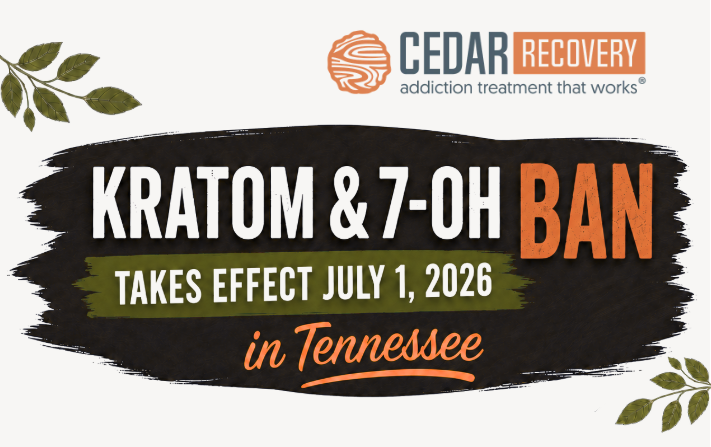
As of July 1, 2026, Tennessee has enacted a ban on Kratom and its active metabolite, 7-OH. This legislative change aims to address the rising concerns surrounding the safety and potential addictive properties of these substances. If you or someone you know is affected by this ban, understanding the implications and seeking support is crucial.
What is Kratom and 7-OH?
Kratom is derived from the leaves of the Mitragyna speciosa tree, primarily found in Southeast Asia. While some users report stimulant effects, others may use it for its sedative properties.
7-OH, or 7-hydroxymitragynine, is a potent alkaloid found in Kratom, contributing to its psychoactive effects.
Both substances have raised significant concerns due to their potential for addiction and various adverse health effects.
What are the Symptoms of Kratom and 7-OH Addiction?
Increased tolerance, leading to the need for higher doses to achieve the same effects
Withdrawal symptoms such as irritability, anxiety, insomnia, and nausea when not using the substance
Obsessive thoughts about obtaining and using Kratom or 7-OH
Neglecting responsibilities at work, school, or home due to substance use
Social isolation or withdrawal from previously enjoyed activities
What does the Kratom and 7-OH ban mean for users in Tennessee?
How Cedar Recovery Can Help You with Kratom and 7-OH Addiction Support
Navigating the challenges of Kratom addiction can feel overwhelming, but you don’t have to face it alone. With the right substance use treatment approach, recovery is possible. Cedar Recovery is here to guide you through this journey and provide the support you need. Here’s how we can help:
Comprehensive Treatment Options: Cedar Recovery offers Medication-Assisted Treatment (MAT) to help individuals overcome addiction. This holistic approach combines therapy and medication for effective recovery.
Compassionate Environment: Our dedicated team creates a nurturing and understanding atmosphere, ensuring clients feel safe and supported throughout their recovery process.
Peer Support: Connecting with others who face similar challenges can be incredibly beneficial. Our peer support programs foster community and understanding, helping individuals share experiences and encouragement.
Case Management: We provide personalized case management to navigate the complexities of recovery, including assistance with transportation, housing, clothing, and food.
CedarRx In-House Pharmacy: Cedar Recovery features an in-house pharmacy, CedarRx, which offers discreet medication shipping directly to your home, as well as onsite medication fulfillment at certain locations. This ensures you have easy access to the medications you need for your recovery.
Multiple Locations: Cedar Recovery has 13 locations across Tennessee, making it easier for you to find support near you. For more information on our locations, visit our Locations page.
Online Treatment Options: For those who may not be near our physical locations, Cedar Recovery offers 100% online addiction treatment through Studio Health. This means you can access support from the comfort of your home.
How to Get Started with Kratom Addiction Treatment
If you or someone you love is struggling with Kratom addiction or needs support during this transition, reach out to us at Cedar Recovery. Our dedicated team is ready to help you navigate this challenging time and work towards a healthier future.
For more information on Kratom addiction and the resources we offer, visit our Kratom Treatment page.
Together, we can find a way forward. Your journey to recovery starts here.
References
National Institute on Drug Abuse. (2021). Kratom. Retrieved from https://nida.nih.gov/publications/drugfacts/kratom
U.S. Drug Enforcement Administration. (2020). Kratom (Mitragyna speciosa). Retrieved from https://www.dea.gov/drug-information/kratom
Tennessee General Assembly. (2026). Tennessee Code Annotated Title 39, Chapter 17, Part 43. Retrieved from https://www.tn.gov/sos/rules/
American Association of Poison Control Centers. (2021). Kratom: A Review of the Literature. Retrieved from https://aapcc.org/
Substance Abuse and Mental Health Services Administration. (2022). Medication-Assisted Treatment (MAT). Retrieved from https://www.samhsa.gov/medication-assisted-treatment