
What Are Nitazenes?
Nitazenes belong to a synthetic opioid family originally developed in the 1950s but never approved for medical use due to their extreme potency. Despite their lack of medical benefit, they have resurfaced in the illicit drug supply, driving overdose deaths in multiple states.
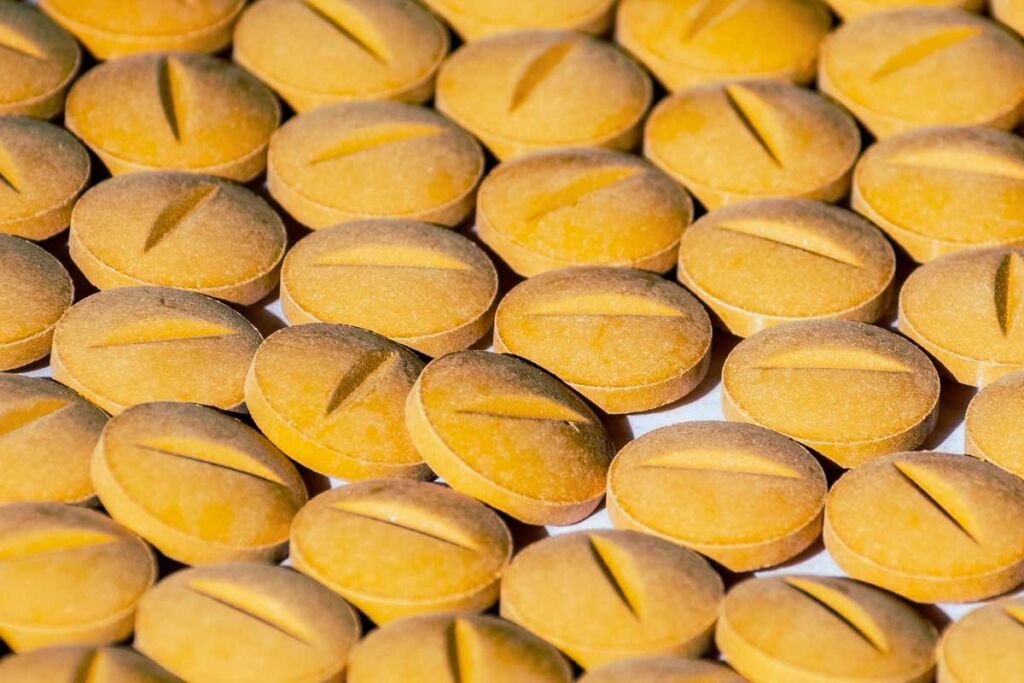
Common nitazenes include:
- Isotonitazene
• Metonitazene
• Protonitazene
• Etodesnitazene
Even tiny amounts can cause severe respiratory depression. Nitazenes act on the brain’s opioid receptors similarly to fentanyl and heroin but may be dramatically more powerful.
Why Nitazenes Are So Dangerous
Nitazenes pose unique risks that make them extremely dangerous in today’s drug supply:
- Potency: Some nitazenes are estimated to be 10–40 times stronger than fentanyl. This means even trace amounts can stop breathing within minutes.
- Counterfeit Pills: Nitazenes are frequently mixed into pills made to look like Xanax, Percocet, oxycodone, or other familiar medications. Most people consuming them have no idea they are taking nitazenes.
- Detection Challenges: Nitazenes often do not appear on basic urine drug screens, complicating diagnosis and overdose response.
- Naloxone Limitations: Naloxone still works—but due to extreme potency, multiple doses may be required.
The rapid rise of nitazenes has raised concern among public health agencies in Tennessee. These substances are inexpensive to manufacture, easy to disguise, and unpredictable in strength—making them especially dangerous for both occasional and regular drug users.
Signs of a Nitazene Overdose
Recognizing overdose symptoms early can save lives. Signs include:
- Extremely slow or stopped breathing
• Inability to wake up
• Pinpoint pupils
• Pale or cold skin
• Blue or gray lips or fingertips from oxygen loss
If you suspect an overdose: call 911 immediately, administer naloxone, provide rescue breathing if trained, and stay with the person. More than one dose of naloxone may be necessary.
Nitazenes in Tennessee
Over the past two years, Tennessee has seen an increase in overdoses connected to nitazenes. State agencies warn that nitazenes are most often found in fake pills designed to mimic legitimate prescription medications.
These pills may be indistinguishable from real pharmacy-made pills, placing unsuspecting individuals at severe risk for accidental overdose.

Treatment for Nitazene Addiction
Medication-Assisted Treatment (MAT) is the most effective approach for opioid use disorder, including dependence involving nitazenes. Cedar Recovery offers multiple evidence-based treatment options across Tennessee:
- Suboxone Treatment: Learn more here: Suboxone Treatment
- Methadone Treatment (OTP Clinics): Learn more here: Methadone Treatment
- 100% Online Treatment via Studio Health: Studio Health
Cedar Recovery also offers discreet mail-to-home medications through CedarRx Pharmacy. Beyond medication, we provide licensed counseling, peer support, case management, and help with housing, food, and transportation—ensuring patients receive whole-person care.
Cedar Recovery Can Help
If you or someone you love is struggling with nitazenes or opioid use disorder, Cedar Recovery is here to help you feel better, get better, and stay better with compassionate, gold-standard treatment.
References
Centers for Disease Control and Prevention. (2023). Nitazenes: Emerging synthetic opioids.
Drug Enforcement Administration. (2022). Public safety alert.
Tennessee Department of Health. (2024). Overdose trends.
National Institute on Drug Abuse. (2023). Synthetic opioids.
Substance Abuse and Mental Health Services Administration. (2023). Medication-assisted treatment.