
Substance use trends in Tennessee are changing faster than many families realize. New drugs are appearing in communities across the state—often disguised as prescription medications, vape products, or “legal” alternatives. Many of these substances are far more potent and unpredictable than those seen even a few years ago, increasing the risk of overdose, dependence, and long-term harm.
For parents, educators, faith leaders, and community organizations, understanding what substances are emerging—and how they are being used—is critical. Awareness is one of the strongest tools we have for prevention.
At Cedar Recovery, we believe education should be factual, compassionate, and empowering. This guide outlines the substances currently raising concern in Tennessee, how they can impact individuals and families, and when to seek help.
Why Are New Substances Emerging in Tennessee?
Several overlapping factors are contributing to the rise of emerging substances:
- Widespread fentanyl contamination across drug supplies
- Counterfeit pills that closely mimic real prescription medications
- Vape culture, which allows substances to be concealed and discreetly used
- Online access, including social media and encrypted messaging apps
- Synthetic drug production that adapts quickly to avoid regulation
Many people who encounter these substances—especially teens and young adults—do not fully understand what they are taking. In some cases, exposure happens unknowingly.
1. Counterfeit Pills Containing Fentanyl
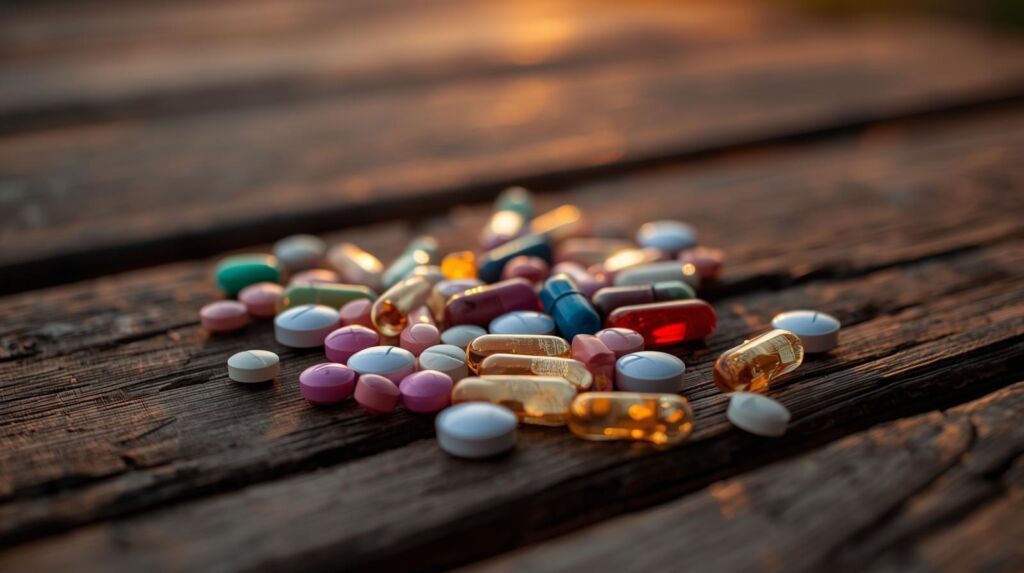
Fentanyl remains a leading driver of overdose risk. Counterfeit pills sold as Percocet, Oxycodone, Xanax, or Adderall can be pressed to look legitimate but may contain fentanyl or other synthetic opioids.
These pills are often obtained through:
- Social media platforms
- Peer-to-peer messaging
- Informal networks that feel “safe” or familiar
Why this is so dangerous: even a very small amount can be fatal, particularly for someone with no opioid tolerance.
2. Nitazenes (Highly Potent Synthetic Opioids)
Nitazenes are a newer class of synthetic opioids that can be extremely potent. They have been linked to overdose deaths and are increasingly identified in toxicology and investigations.
Nitazenes may appear in:
- Counterfeit pills
- Powders
- Liquids
- Vape products
Many individuals do not realize they have been exposed. Overdose can occur quickly and may require multiple doses of naloxone.
3. Xylazine (“Tranq”)
Xylazine is a veterinary sedative increasingly found alongside opioids in the illegal drug supply.
Key concerns include:
- Severe sedation
- Reduced breathing
- Skin wounds and infections
- Naloxone may not fully reverse its effects
Because xylazine is not an opioid, naloxone can still be life-saving for opioid involvement—but xylazine effects may continue and medical care is still needed.
4. High-Potency THC Vapes, Concentrates, and Edibles
Many THC-related products sold in Tennessee—including Delta-8, Delta-10, and THC-O—are largely unregulated. Some cartridges and concentrates reach very high potency levels.
Potential risks include:
- Panic attacks or severe anxiety
- Hallucinations or psychosis-like symptoms
- Vomiting and dehydration
- Impaired judgment
- Increased addiction risk
For adolescents and young adults, these effects can be especially intense and destabilizing.
5. Kratom
Kratom is commonly sold in gas stations and vape shops and is often marketed as a natural supplement. Despite this perception, kratom can lead to dependence and withdrawal symptoms that resemble opioid withdrawal.
Reported risks can include:
- Cravings and tolerance
- Irritability or agitation
- Nausea and insomnia
- Dangerous interactions with alcohol or other drugs
Kratom is sometimes used to self-manage pain, stress, or opioid withdrawal without medical guidance—which can increase risk over time.
6. Synthetic Cannabinoids (K2, Spice)
Synthetic cannabinoids are chemically altered substances designed to mimic THC. Their formulas can change frequently, making them unpredictable and risky.
Possible harms include:
- Seizures
- Psychosis
- Extreme agitation
- Organ damage
7. “Research Chemicals” and Designer Drugs
Designer drugs are laboratory-created substances that imitate stimulants, hallucinogens, opioids, or benzodiazepines. They are often mislabeled, and dosing and potency can vary widely.
These substances can be especially dangerous when mixed with alcohol or other drugs.
8. Inhalants and Nitrous Oxide (“Whippets”)
Nitrous oxide and other inhalants can appeal to young people because they are accessible and effects can feel short-lived. However, risks can be serious.
Health risks can include:
- Oxygen deprivation
- Nerve damage
- Memory impairment
- Sudden cardiac complications

How Emerging Substances Are Being Hidden
Today’s substances often do not look like “traditional drugs.” They may appear as:
- Vape pens or disposable cartridges
- Gummies or candy-like edibles
- Eye-dropper bottles
- Powdered drink mixes
- Small, unmarked pills
- Canisters or chargers
If an item looks unfamiliar, altered, or out of place, it is worth asking questions.
Warning Signs Parents and Caregivers Should Watch For
Possible signs of substance use may include:
- Sudden mood changes
- Increased secrecy around phones or social media
- Changes in sleep or appetite
- Declining school or work performance
- Missing medications or money
- Unusual packaging or smells
Trust your instincts. Early support can make a meaningful difference.
How Parents and Communities Can Respond
Have open, honest conversations
Approach discussions with curiosity and care rather than fear or punishment. Young people are more likely to talk when they feel safe.
Focus on education, not shame
Clear, factual information can help families make safer decisions and reduce stigma that keeps people silent.
Secure medications
Lock and monitor prescription medications in the home when possible.
Stay informed about online trends
Many substances are obtained digitally rather than in person. Staying aware of trends can help caregivers respond earlier.
Carry naloxone (Narcan)
Naloxone can reverse opioid overdose and is widely available. If you suspect an overdose, call 911 and administer naloxone if available.
When to Seek Help
If you notice concerning changes in a loved one—or they share that they are struggling—support is available. You do not have to wait for a crisis.
Cedar Recovery Is Here to Help
If you’re concerned about emerging substances in your family or community, Cedar Recovery is here to support you with compassion, education, and evidence-based addiction treatment.
You deserve to feel better, get better, and stay better. Reach out today to learn more.
References
Centers for Disease Control and Prevention. (2024, April 2). Fentanyl facts. https://www.cdc.gov/stop-overdose/caring/fentanyl-facts.html
Centers for Disease Control and Prevention. (2024, May 16). What you should know about xylazine. https://www.cdc.gov/overdose-prevention/about/what-you-should-know-about-xylazine.html
Roberts, A., et al. (2022). Notes from the field: Nitazene-related deaths—Tennessee, 2019–2021. Morbidity and Mortality Weekly Report. https://www.cdc.gov/mmwr/volumes/71/wr/mm7137a5.htm
National Institute on Drug Abuse. (n.d.). Emerging drug trends. https://nida.nih.gov/research-topics/emerging-drug-trends
U.S. Drug Enforcement Administration. (n.d.). Fake prescription pills. https://www.dea.gov/factsheets/fake-prescription-pills
Tennessee Department of Health. (n.d.). Tennessee drug overdose dashboard. https://www.tn.gov/health/health-program-areas/pdo/pdo/data-dashboard.html
Tennessee Bureau of Investigation. (n.d.). Drugs: Trends and information. https://www.tn.gov/tbi/crime-issues/crime-issues/drugs.html