
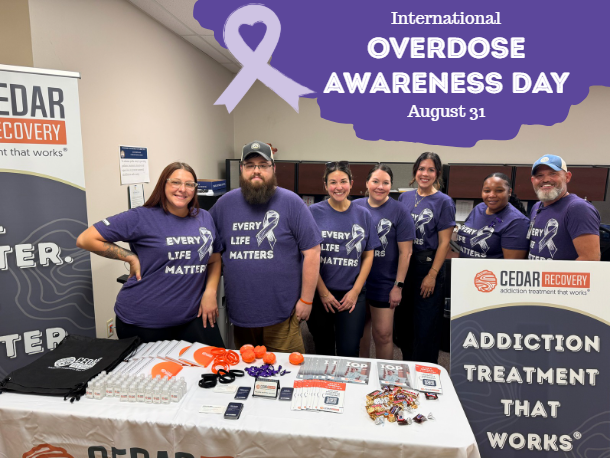
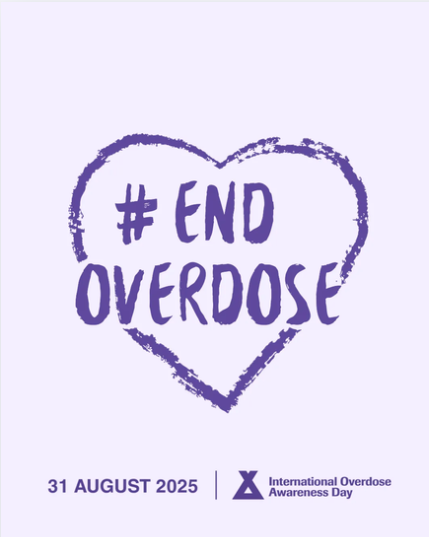
Every year on August 31, communities across the globe mark International Overdose Awareness Day (IOAD). It’s the world’s largest campaign to end overdose, remember those who have died, and support families and friends left behind. IOAD also calls for action: raising awareness, reducing stigma, and expanding access to lifesaving prevention and treatment.
The Opioid Crisis and Overdose Awareness
The opioid crisis continues to devastate families across Tennessee and the United States. According to the CDC, more than 100,000 people died from drug overdoses nationwide in 2022, and fentanyl remains the leading driver of overdose deaths.
In Tennessee, overdose deaths continue to exceed 3,800 lives lost annually, with the majority involving fentanyl. This makes overdose awareness and prevention efforts more critical than ever.
Why International Overdose Awareness Day Matters
International Overdose Awareness Day is more than a day of remembrance. Its goals include:
- Honoring the lives lost to overdose and acknowledging the grief of families.
- Raising awareness of the overdose crisis and how it impacts communities.
- Reducing the stigma of substance use disorder, so more people feel safe seeking help.
- Promoting evidence-based prevention and treatment strategies, including Medication-Assisted Treatment (MAT).
The silver ribbon and the color purple are recognized symbols of the IOAD campaign, representing both remembrance and hope.
How You Can Take Action in Your Community
- Learn to use naloxone (Narcan). Naloxone is a medication that can reverse an opioid overdose within minutes. Many local health departments, pharmacies, and community organizations distribute it for free.
- Promote fentanyl test strip use. These simple tools help people detect fentanyl in substances and reduce overdose risk.
- Support overdose awareness events. Attend or organize a vigil, community walk, or educational event on August 31.
- Volunteer or partner with local organizations. Food pantries, recovery centers, and nonprofits often need extra hands to support families in crisis.
- Advocate for recovery-focused policies. Encourage leaders to fund prevention, treatment, and harm reduction efforts.
Tennessee has made strides in naloxone distribution and overdose education, but community action is key to sustaining momentum.
Advice for Loved Ones Supporting Someone With Addiction
- Start with empathy. Addiction is a chronic medical condition, not a moral failure. Avoid judgmental language.
- Encourage treatment, not punishment. Share information about evidence-based options such as Suboxone treatment or methadone treatment.
- Be patient. Recovery is not always a straight path. Relapses can happen, but each step toward treatment matters.
- Offer practical support. Help with transportation to appointments, childcare, or even just listening without judgment.
- Take care of yourself. Supporting someone in recovery can be emotionally draining. Seek peer support groups or counseling for yourself if needed.
Your encouragement and compassion can make the difference between someone continuing to struggle in silence or reaching out for help.
The Role of Medication-Assisted Treatment in Preventing Overdose
One of the most effective ways to reduce overdose deaths is connecting people to treatment. Medication-Assisted Treatment (MAT) is considered the gold standard in addiction medicine. At Cedar Recovery, MAT combines FDA-approved medications like buprenorphine and methadone with counseling and peer support to help people feel better, get better, and stay better.
For those who are not located near one of our clinics, our Studio Health telemedicine program brings addiction treatment directly to people across Tennessee, ensuring more access to care.
Additionally, our CedarRx pharmacy makes it easier and more discreet for patients to receive their prescribed medications through in-office pickup (Lebanon office) or at-home delivery.
A Path Forward to Prevent Overdose
International Overdose Awareness Day is a time to remember those we’ve lost, but also a call to act. By expanding prevention strategies, reducing stigma, and connecting more people to effective treatment, we can save lives and bring hope to families across Tennessee and beyond.
Seeking Opioid Addiction Treatment at Cedar Recovery
If you or someone you love is struggling with fentanyl or opioid addiction, Cedar Recovery is here to help. Our team provides evidence-based MAT, along with therapy and peer support, in a safe and nonjudgmental environment.
Recovery is possible, and no one should face this crisis alone. To learn more, visit our MAT treatment page or contact us today to take the first step.
If you or someone you love is struggling with opioids or fentanyl, you don’t have to face it alone. Cedar Recovery offers evidence‑based MAT with buprenorphine and methadone, combined with counseling and peer support, to help you feel better, get better, and stay better.
References
- Centers for Disease Control and Prevention. (2025). International Overdose Awareness Day Toolkit. https://www.cdc.gov/overdose-prevention/php/toolkits/ioad.html
- Substance Abuse and Mental Health Services Administration. (2025). Overdose Awareness Week. https://www.samhsa.gov/about/digital-toolkits/overdose-awareness-week
- OverdoseDay.com. (n.d.). About the campaign. https://www.overdoseday.com/about-the-campaign/
- Wikipedia. (2025). International Overdose Awareness Day. https://en.wikipedia.org/wiki/International_Overdose_Awareness_Day
- Tennessee Department of Health. (n.d.). Drug Overdose Data Dashboard. https://www.tn.gov/health/health-program-areas/pdo/pdo/data-dashboard.html